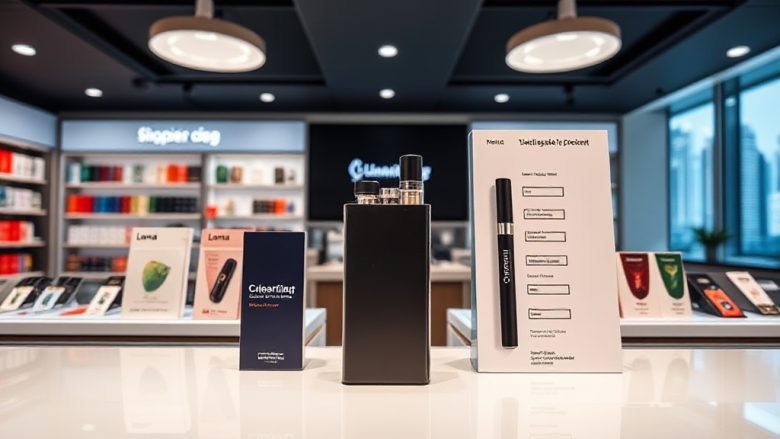
Story Versus Checklist: Two Ways to Read a Vape Order
Imagine two people describing the same purchase from lana disposable sg. The first writes a paragraph about a late-night order, a courier on a motorbike, and a slim box arriving before the weekend. The second writes four bullet points: device model, quantity, payment method, delivery window. Both describe one transaction, yet they ask you to trust very different things. Which version made you feel more certain about what was actually bought?
That small experiment is the whole subject here. Product pages, delivery updates, and reviews for disposable vapes in Singapore can be written as narrative or as a checklist, and each format hides something the other reveals. A media-literate reader learns to switch between the two instead of picking a favourite.
The Narrative Version: What a Story Makes You Feel
The narrative version of a vape order usually begins with context. It explains why someone wanted a compact device, how they compared puff counts, and why they chose a shop with cash on delivery. The reader follows a decision rather than a spec sheet, so the order feels like a sequence of reasonable choices.
This is where a story earns its keep. It can carry the texture of an experience: the uncertainty of trying a new brand, the relief of discreet packing, the small pleasure of a delivery that arrives when promised. When a writer at sgvape describes ready-stock delivery across Singapore, a narrative turns that phrase into something a reader can picture.
What the story format hides
Stories hide quantities. A paragraph can mention a Lana Bar BC 6000 Puffs device without ever saying how many were ordered, what the total cost was, or whether the payment was completed on delivery. It can also hide the boring parts — the confirmation step, the address check, the moment the order was packed.
Stories also hide alternatives. A well-told account of one purchase rarely explains why a Lana Mini 600 Puff was rejected in favour of a larger model. The reader gets a satisfying arc but not a comparison table. Narrative builds trust in the experience, not in the specification.
Where narrative is genuinely useful
Narrative is the better format when the reader needs reassurance. First-time buyers of disposable vapes often want to know how ordering feels: whether the shop is responsive, whether the package is discreet, whether cash on delivery works smoothly. A story answers those emotional questions faster than a list can.
It is also the better format for explaining a category. Terms like disposable vape, pod-style device, and puff count become clearer when they appear inside a sentence about someone using them. A checklist can name a product; a story can explain why the category exists.
The Checklist Version: What a List Makes You Check
The checklist version of the same order strips away the scene. It gives the device name, the puff count, the quantity, the payment method, and the delivery expectation. Nothing is implied. The reader can verify each line against the shop page and move on.
This format is where vapesg becomes legible as a service rather than a mood. A list can state that shipping is fast, that packing is discreet, and that cash on delivery is available. Those are claims a reader can test, compare, and remember.
What the checklist hides
Lists hide sequence. A bullet point saying “cash on delivery available” does not explain what happens if the courier arrives and the buyer is not home. A line saying “Lana Pen 2000 Puffs” does not explain whether that device suits a heavy or light user.
Lists also hide judgement. When every item is a bullet, a minor detail and a major one look equally important. A checklist flattens priority, which is useful for verification and dangerous for decision-making. The reader may confirm every line and still choose the wrong device for their habits.
Where the checklist wins
Checklists are better when the reader already knows what they want. If someone has decided on a Lana Premium Bar 5800 puff and simply needs to confirm stock, payment, and delivery, a list respects their time. It also makes comparison possible: two devices side by side, two delivery options, two payment methods.
For a shop operating as an online vape retailer with delivery, the checklist is also the honest format for operational facts. Delivery windows, packing standards, and payment options are not stories. They are conditions, and conditions belong in list form.
Reading Both Formats Without Being Fooled
The practical skill is not choosing a side. It is noticing which format you are reading and asking what it leaves out. When a page tells a story about a SG Vape Hub order, look for the missing numbers: quantity, price, delivery time. When a page gives you a checklist, look for the missing context: who the device suits, what happens after payment, what the alternatives were.
A useful comparison makes the trade-off visible:
| Question | Narrative answer | Checklist answer |
|---|---|---|
| How does ordering feel? | Strong | Weak |
| What exactly is included? | Weak | Strong |
| Can I compare options? | Weak | Strong |
| Can I judge suitability? | Moderate | Weak |
Most real product pages sit between the two. A device description may open with a short scene and close with a specification list. That hybrid is not dishonest; it is an attempt to answer both emotional and practical questions. The reader’s job is to notice which half is doing the persuading.
One common mistake is treating a vivid story as evidence of quality. A well-written account of a smooth delivery says something about service, not about whether a particular disposable device suits you. Another mistake is treating a checklist as complete. A list of features can be accurate and still omit the one detail that matters, such as whether the device is ready to use out of the box.
When you browse sgvapehub, try reading the same product twice. First read it as a story and note how it makes you feel. Then read it as a checklist and note what you can actually verify. The gap between those two readings is where careful buying happens.
Use the narrative when you are new to a category or unsure about a shop. Use the checklist when you have decided and need confirmation. The strongest reading is the one that moves between them deliberately, trusting neither the mood nor the bullet point on its own.